

Predictable Ingredient Systems
Within regulated manufacturing environments, glycerine supports compatibility and balance between raw materials, helping maintain more stable formulation conditions across production cycles.
Its behavior within water based systems allows smoother integration between components, supporting consistent process performance from early mixing stages through final production. This contribution helps ingredient systems maintain greater batch to batch consistency while keeping operating conditions controlled in demanding manufacturing environments.
Get Your Answers



PERFORMANCE ACROSS ADDITIONAL
INDUSTRIAL APPLICATIONS
Beyond regulated manufacturing systems, glycerine is also integrated into a range of industrial processes where material behavior influences overall system stability. Food processing, tobacco manufacturing, chemical intermediate production, and other industrial environments incorporate glycerin in stages where compatibility between raw materials helps maintain more uniform operating conditions.
In these processes, raw material selection is often guided by how materials perform within continuous production systems. Stable interaction between components supports more organized workflows and more predictable production planning over time.
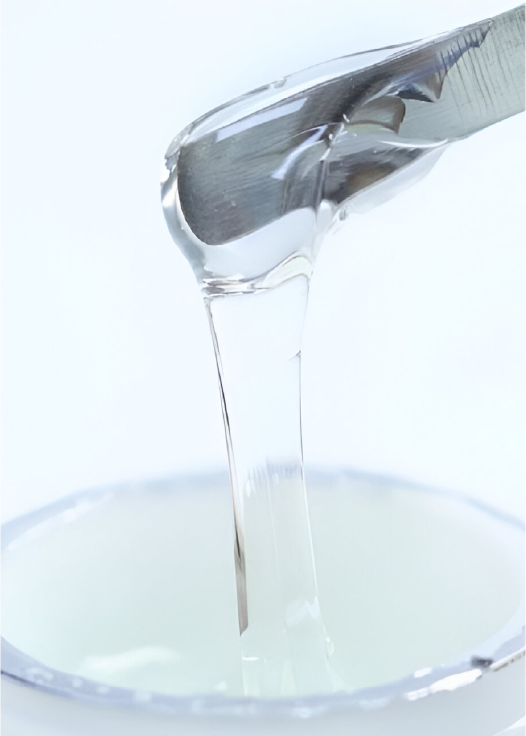
Across multiple industrial environments, glycerine contributes to conditions that support stable and orderly processing:
- Balanced interaction between ingredients in water based systems
- Uniform integration of raw materials across different production stages
- Consistency across repeated production cycles
- Compatibility with diverse ingredient and compound systems
- More stable operating conditions within continuous manufacturing programs
When materials integrate smoothly within the process, operations can proceed with greater continuity and control across production cycles.
